OpenAI • Concept 2025
OpenAImeetshardware
Role
Product Manager
Timeline
5 weeks
Team
2 Product Managers1 Designer
Skills
Product StrategyProduct DiscoveryPrototyping
Overview
What should OpenAI build in the AI device space?
As a team of 2 product managers and 1 designer, our goal was to land on a clear vision within 5 weeks.
Product Strategy
Thinking expansively about OpenAI, the wider AI landscape, and exploring broadly across the solution space.
Prototyping & Testing
Expanding ideation widely and rapidly testing concepts with users.
Iterating with Feedback
Iterating continuously on concepts and validating product decisions.
Problem
ChatGPT tops a stack OpenAI doesn't control.
ChatGPT runs as a thin app layer on a stack OpenAI doesn't own. That dependency is the risk — every shift from the platform, the operating system, or the hardware below can reshape what OpenAI can ship.

Apple and Google are developing their own consumer AI ecosystems, with the major advantage of controlling the full technology stack.
However, OpenAI is currently leading consumer AI, while Apple has recently stumbled with its Apple Intelligence integrations. This gives OpenAI a clear opportunity to build an AI device and bring consumers into its own ecosystem directly.
Opportunity
Memory — the foundation of OpenAI’s device ecosystem.
Memory is OpenAI’s new moat. As LLMs become commoditised, personalisation and context become the real differentiators — and the longer a user interacts with OpenAI, the more valuable that context becomes. Hardware unlocks three advantages for OpenAI:
Independence
Escaping dependence on the lower layers
Ecosystem lock-in
Capture users through a tightly-integrated, end-to-end experience
New input modalities
Hardware that sees, hears, and remembers like apps can't
Solution
Tova: the AI device that recalls what matters most…
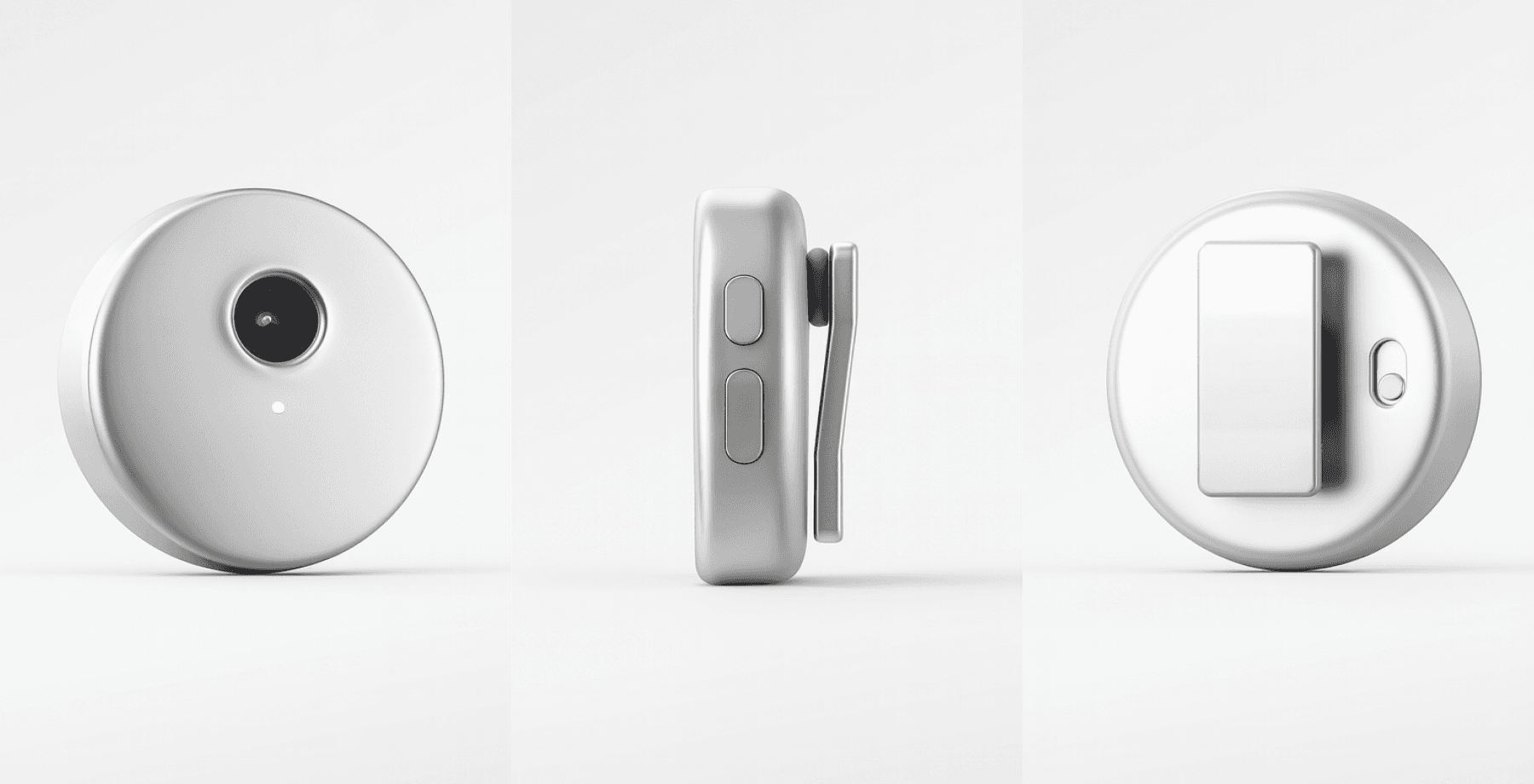
A compact wearable pin and pendant that captures vision and voice on the move.
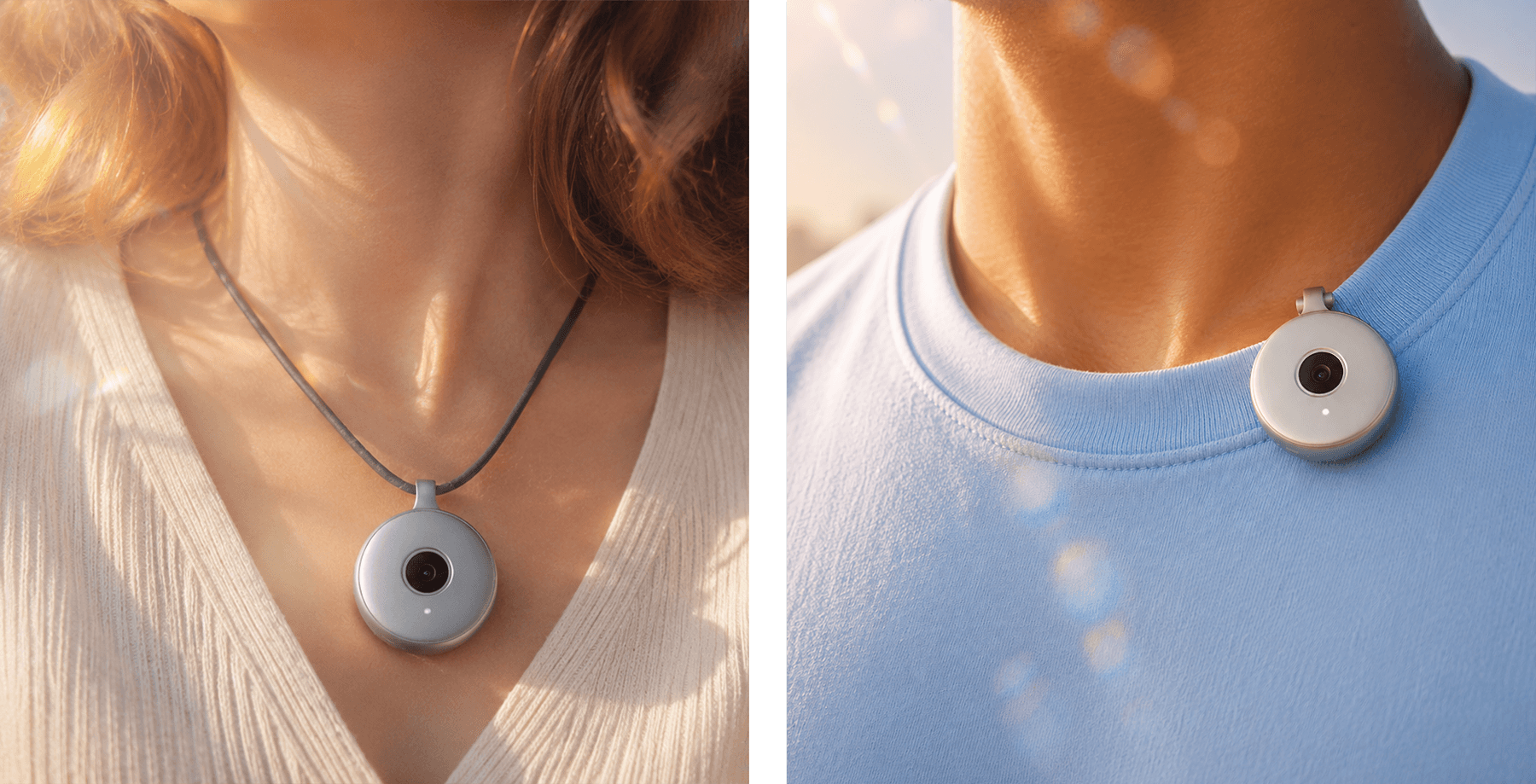
…driving Moments, capturing everyday life memories in ChatGPT.
Moments is a new atomic unit in ChatGPT, turning events, conversations, and solo adventures captured by Tova into memories.
Core Flows
Get smart prompts in the moment
Receive prompts that are relevant to you in real time, with Tova.
Get smart prompts in the moment
Receive prompts that are relevant to you in real time, with Tova.
Chat with real-time context
ChatGPT responds with context from the world around you.
Chat with real-time context
ChatGPT responds with context from the world around you.
Look back on your Moments
In the new Moments page, you can revisit what happened, organised by context.
Look back on your Moments
In the new Moments page, you can revisit what happened, organised by context.
Review a specific Moment
Tap into each Moment to see the important details, conversations, and events captured.
Review a specific Moment
Tap into each Moment to see the important details, conversations, and events captured.
Research
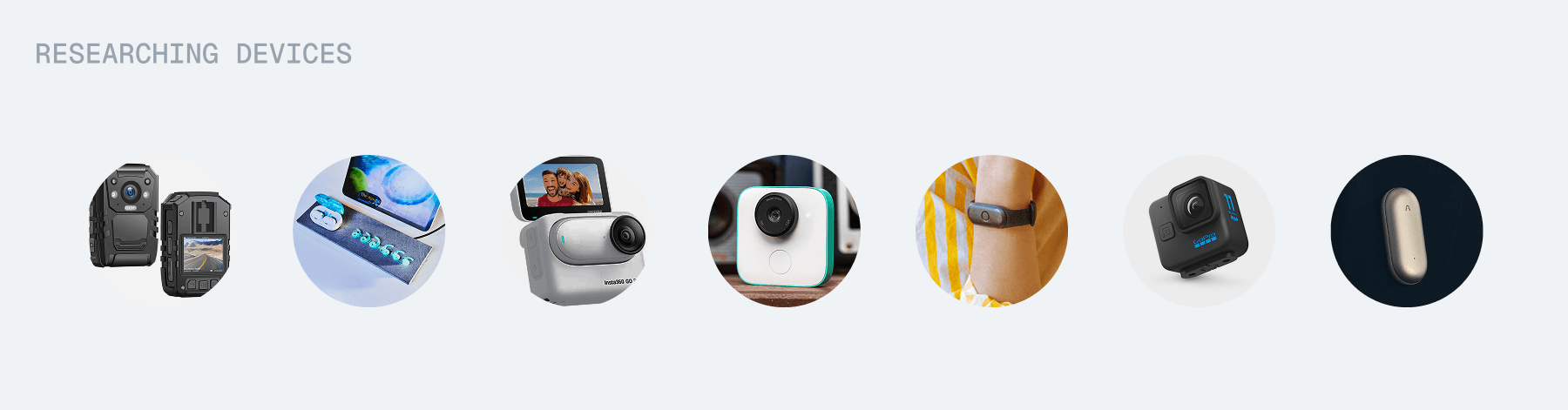
Researching the AI landscape and today's consumer device market
We explored OpenAI, consumer AI, agents, emerging trends, and the wider device landscape in depth. We also researched existing AI devices and tested some ourselves.
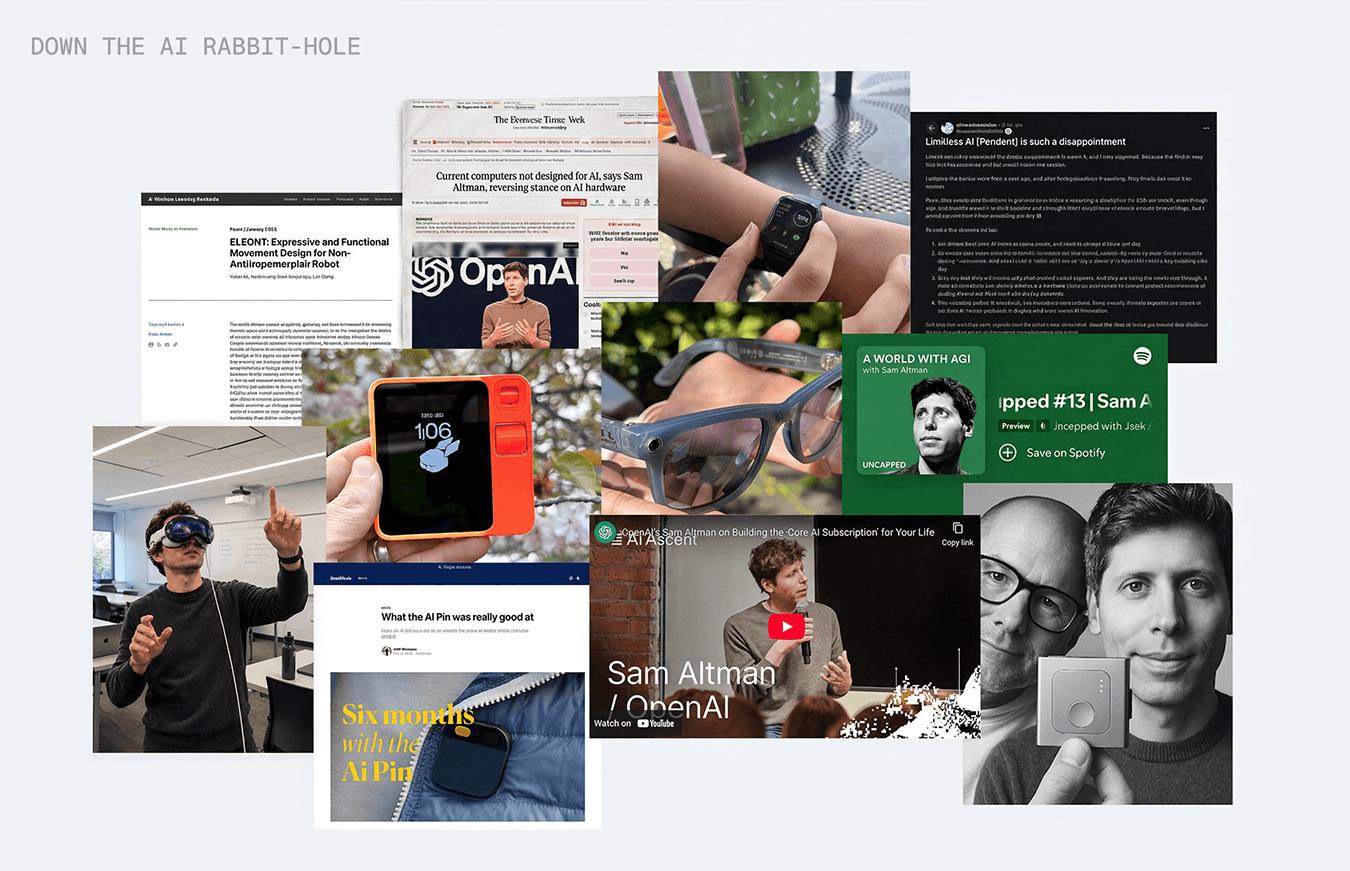
Exploring Form Factors
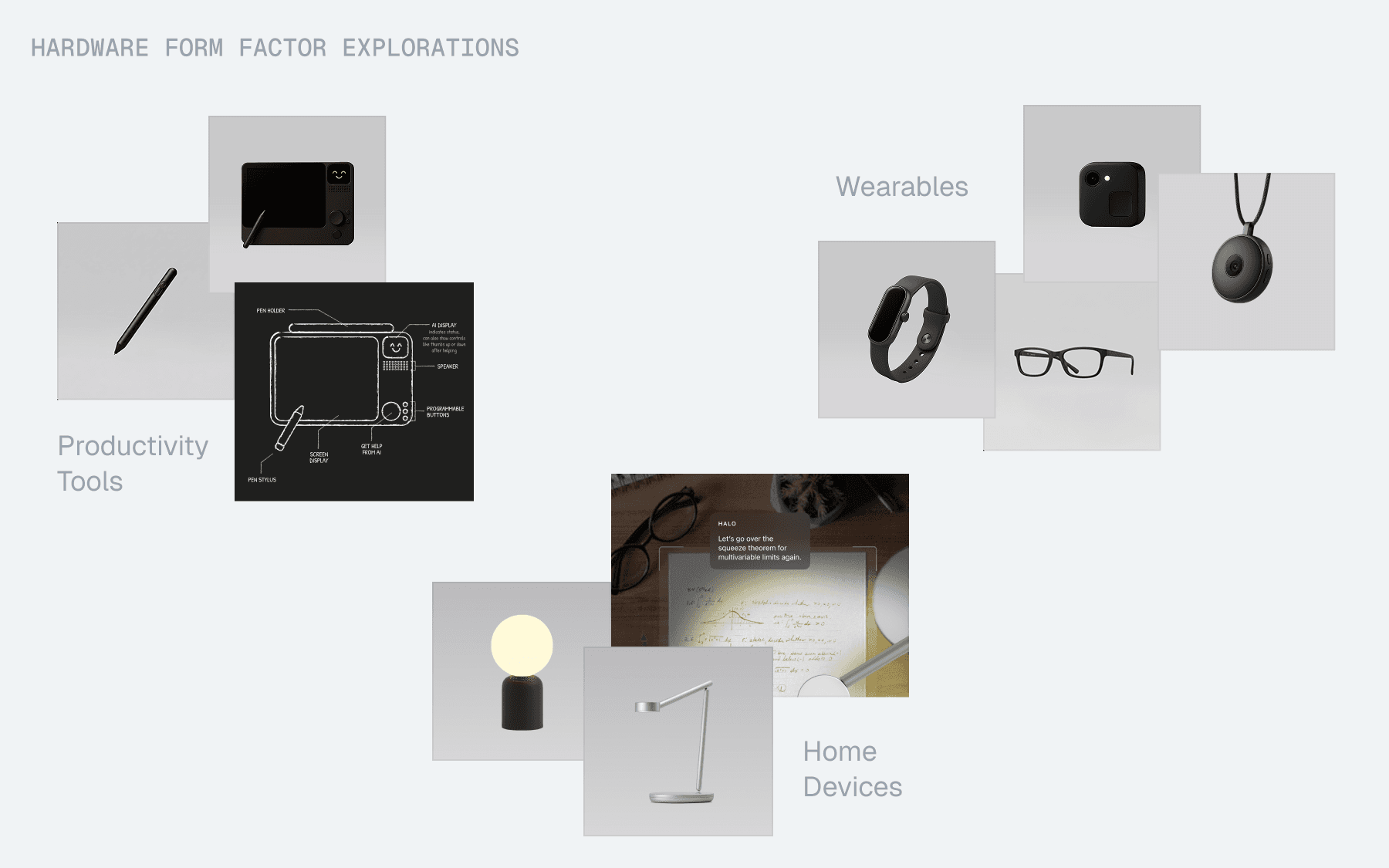
Exploring product direction and device form factor
We explored product direction and device form factor, then designed an experience that shows how Moments work and how Tova brings real-world context into ChatGPT.
Strategic Directions
Productivity Tools
Targeting students and knowledge workers through familiar, low-friction form factors.
Home Devices
Exploring less crowded spaces with fewer battery, mobility, and data constraints.
Wearables
Testing on-the-go form factors designed for everyday use and broader adoption.
Why Tova?
Extends ChatGPT
Builds on ChatGPT’s large, fast-growing user base and everyday usage.
Builds on OpenAI’s strengths
Uses OpenAI’s strengths in foundation models, memory, and agents.
Easier to scale
Lower-cost and easier to scale than more complex form factors like glasses or watches.
Prototyping and Testing
Prototyping interfaces to capture real-world memory
We explored concepts across three strategic directions. Here are a few selected examples:
ChatGPT Feature Power-ups
Using real-world context to enhance existing ChatGPT features.
In-the-moment Canvas
Exploring interfaces for real-time assistance and contextual support.
Memory-centred UI
Helping users look back on their day through captured moments and context.
Testing and iterating with feedback
We tested these prototypes with users, observed how they interacted with them, how they felt, and gathered valuable feedback. Clear patterns emerged across sessions, with two insights standing out as the most influential in shaping our direction.
Key User Insights
Users want recall, not replay
Users want to look back and remember what matters, rather than re-experience entire moments.
Surface relevant suggestions
Users want personalised prompts, reminders, and tasks, both in the moment and as an end-of-day recap.
Design Decisions
Choosing the most intuitive way to bring this feature to life.
Using insights from prototyping and testing, we explored how a clear, intuitive solution could fit naturally within the existing ChatGPT ecosystem.
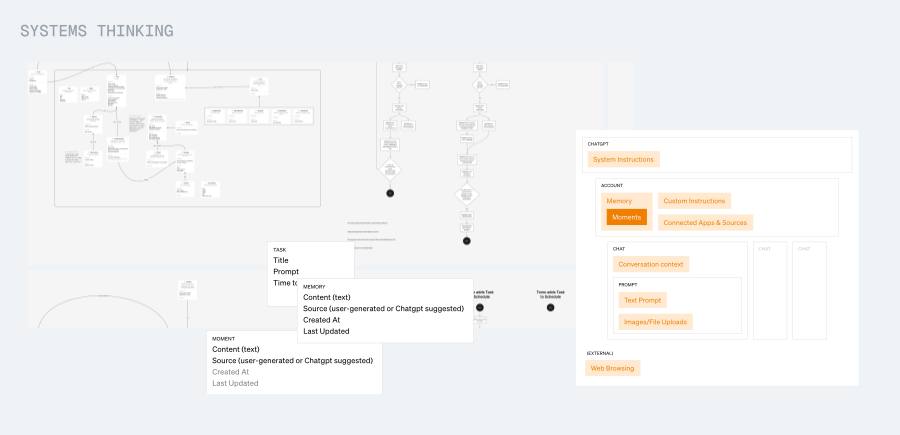
Where we landed
Insight 1: Users want recall, not replay
Moments as ChatGPT context
Users want to recall what matters, not re-experience entire moments.
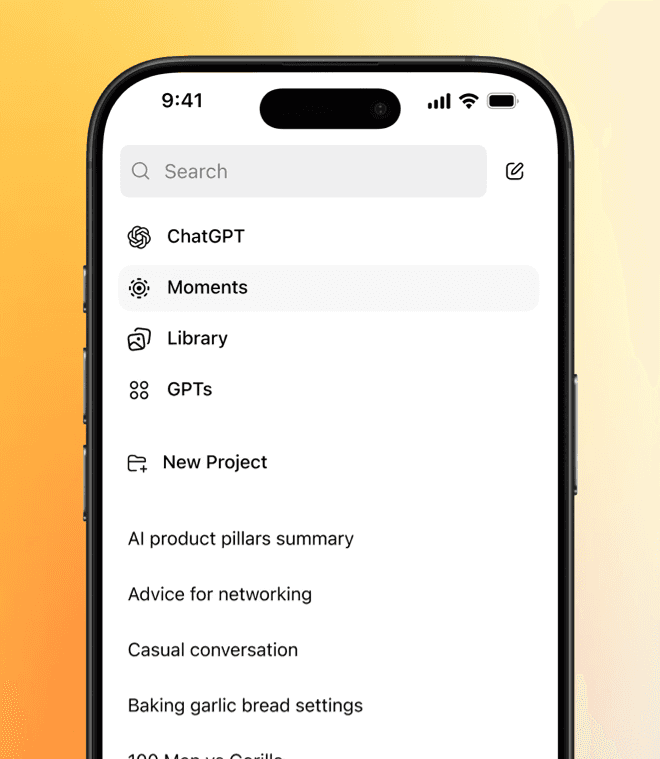
Moments as an actionable daily log
Users want personalised prompts, reminders, and tasks — both in the moment and at the end of their day.
Insight 2: Surface relevant suggestions
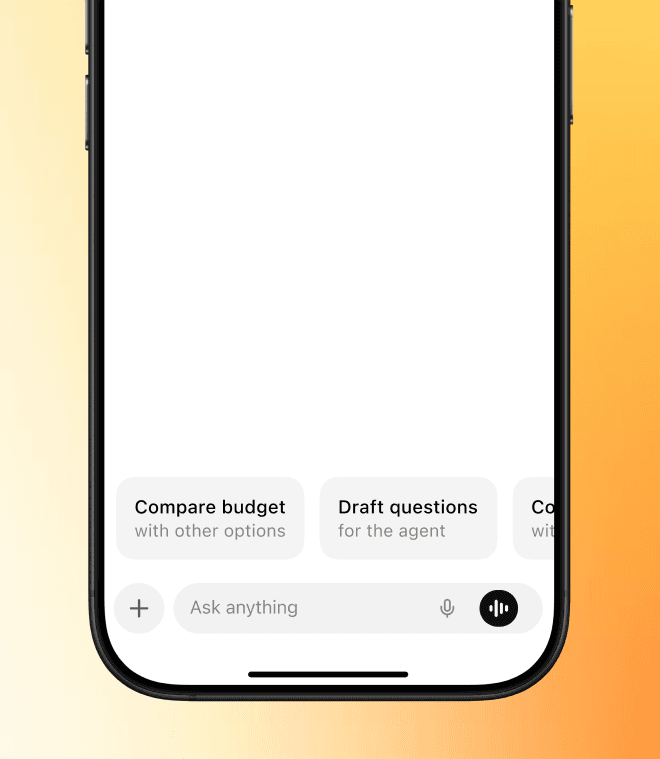
Smart prompts in the moment
Surface relevant prompts with real-time context — less invasive than our initial exploration.
Smart prompts for every Moment
Users can look back on their day and receive relevant prompts based on what happened.
Designing for Hardware Constraints
A lightweight, always-on recording device is not feasible yet.
Our research found that high-quality camera recording is still limited to just a few hours of battery life.
So we had to ask:
How do we capture more Moments given camera battery constraints?
Constraining the experience
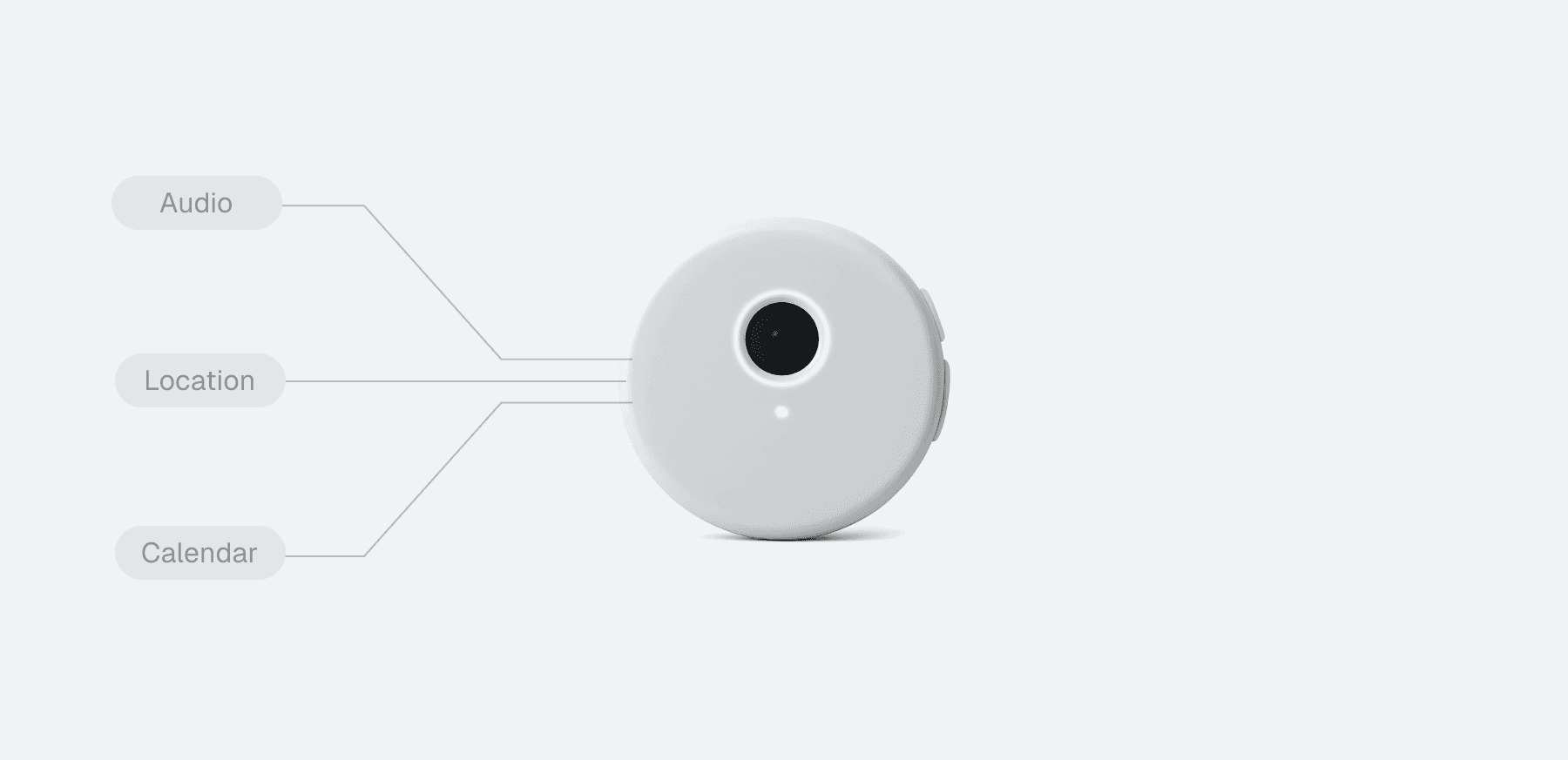
Context-based Capture
Tova could use real-time cues to choose when to record, balancing battery life against context capture.
Considerations
How do we give users clarity around recording?
A notification could show the reason Tova is recording in that moment.
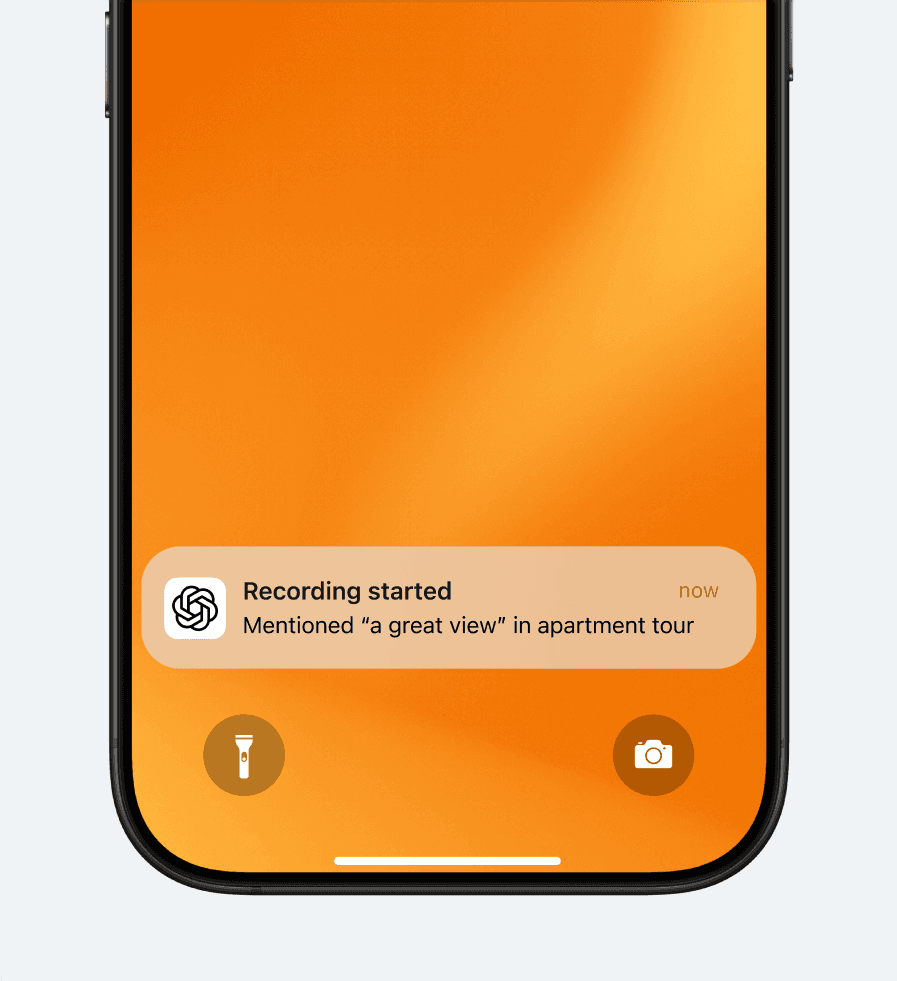
How do we give users clarity around recording?
A notification could show the reason Tova is recording in that moment.
Can AI detect moments worth recording?
Using transcripts in our testing, AI consistently identified moments worth capturing.
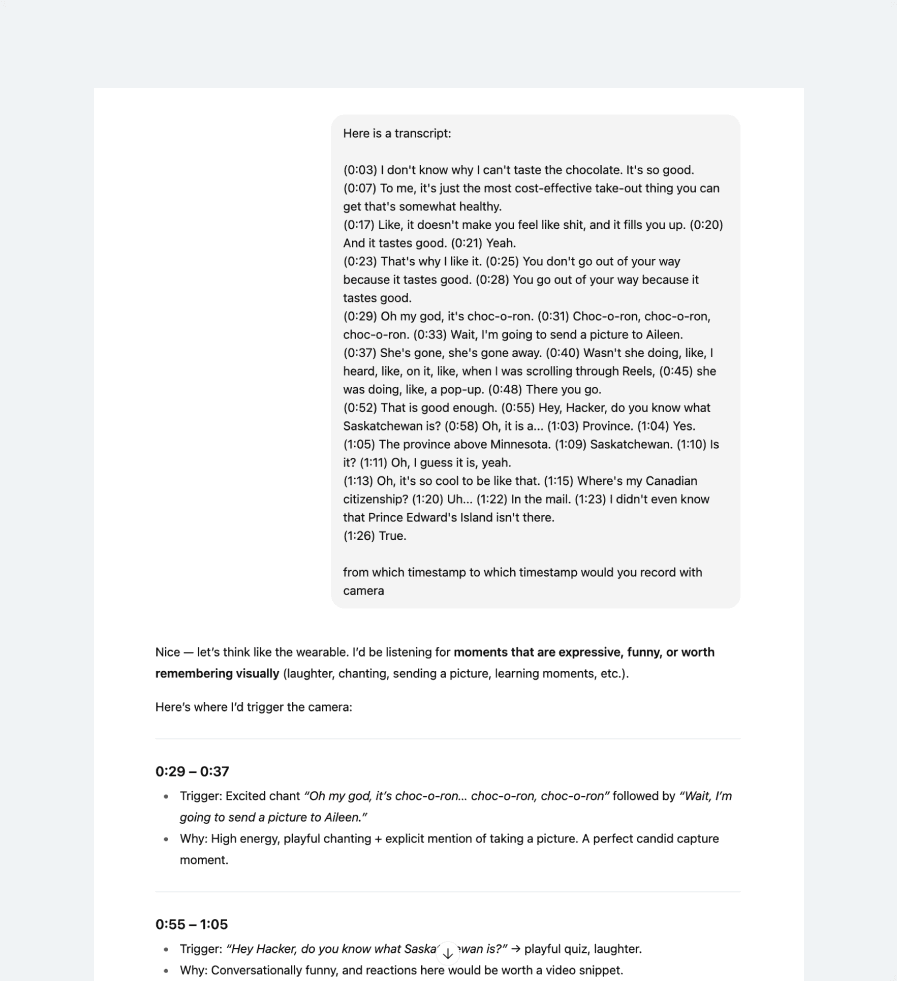
Can AI detect moments worth recording?
Using transcripts in our testing, AI consistently identified moments worth capturing.
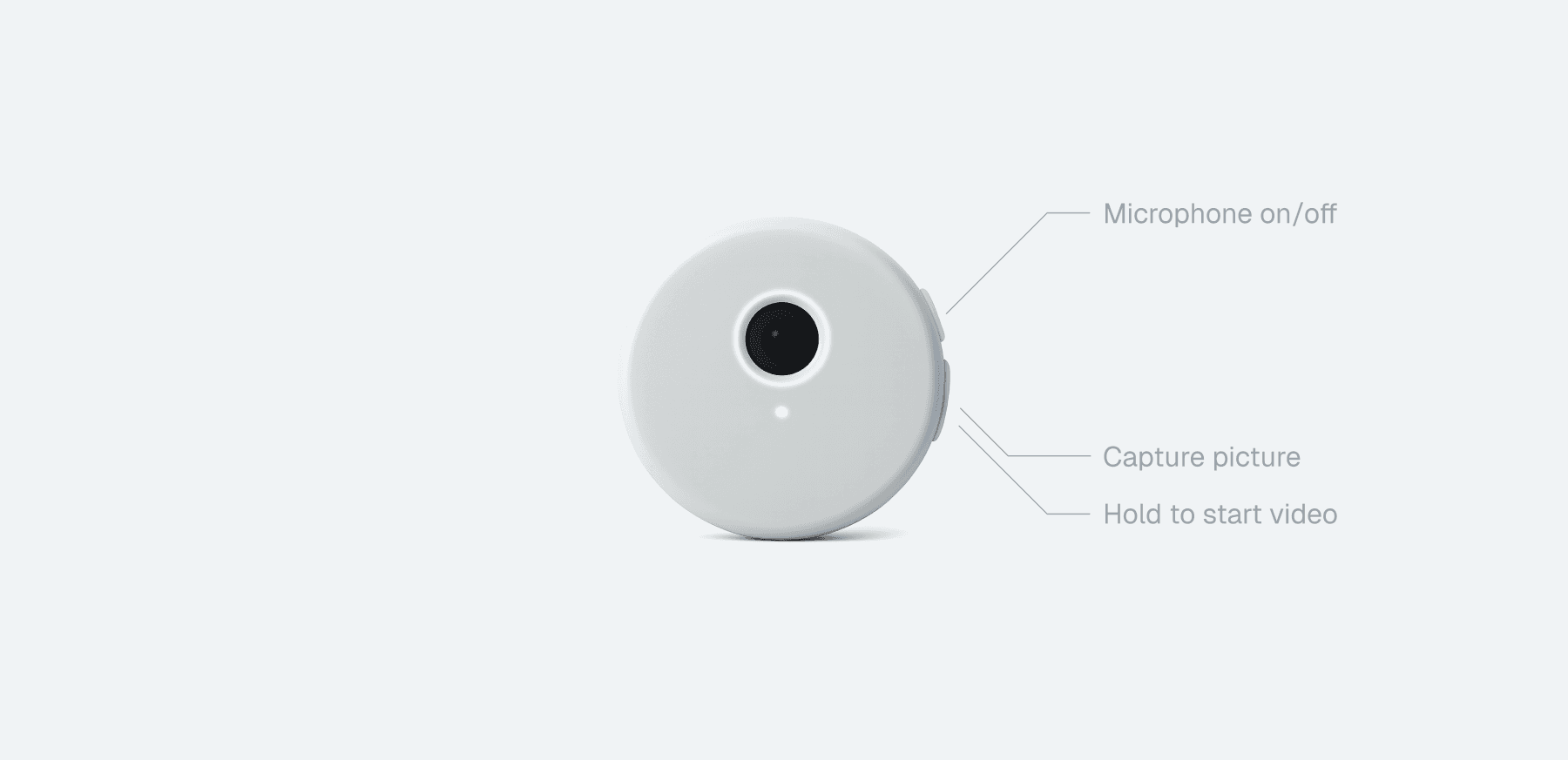
Manual Capture
Users stay in control by pressing or holding the button to capture photos and videos.
Considerations
How do we cue users to capture a moment?
Subtle non-visual cues could remind users when a moment may be worth capturing.
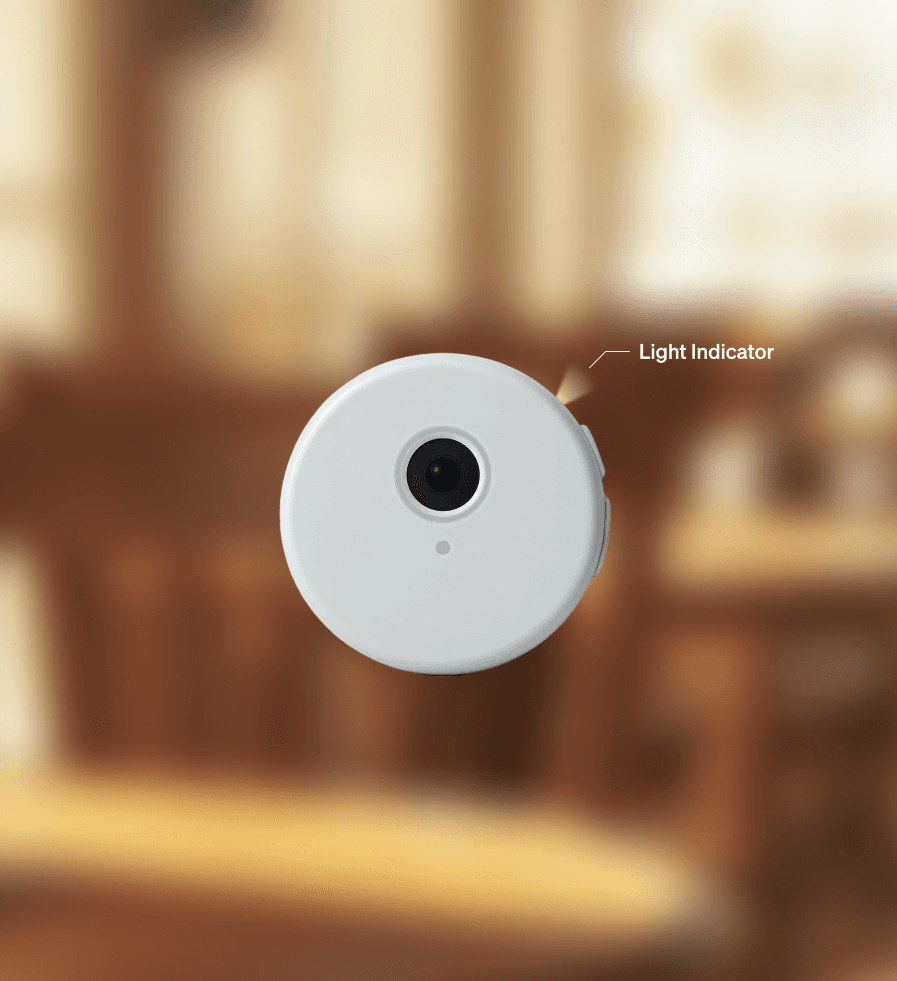
How do we cue users to capture a moment?
Subtle non-visual cues could remind users when a moment may be worth capturing.
What does a less visual interface look like?
Icons could represent Moments without visual captures, while pulling context from other sources, such as LinkedIn headshots for coffee chats.
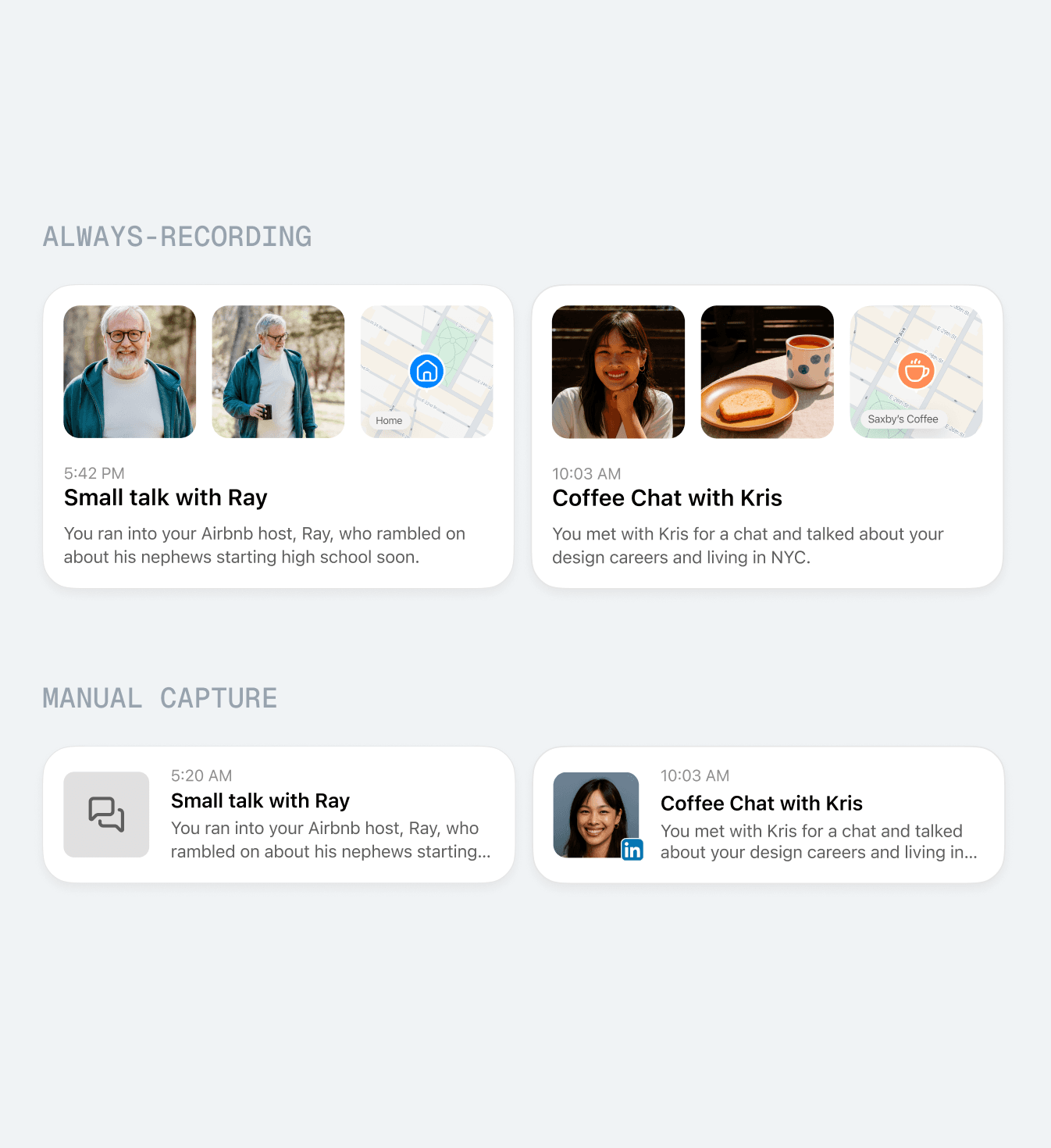
What does a less visual interface look like?
Icons could represent Moments without visual captures, while pulling context from other sources, such as LinkedIn headshots for coffee chats.
How do we improve imperfect captures?
AI could improve imperfect captures — making shots more flattering or blurry photos clearer.
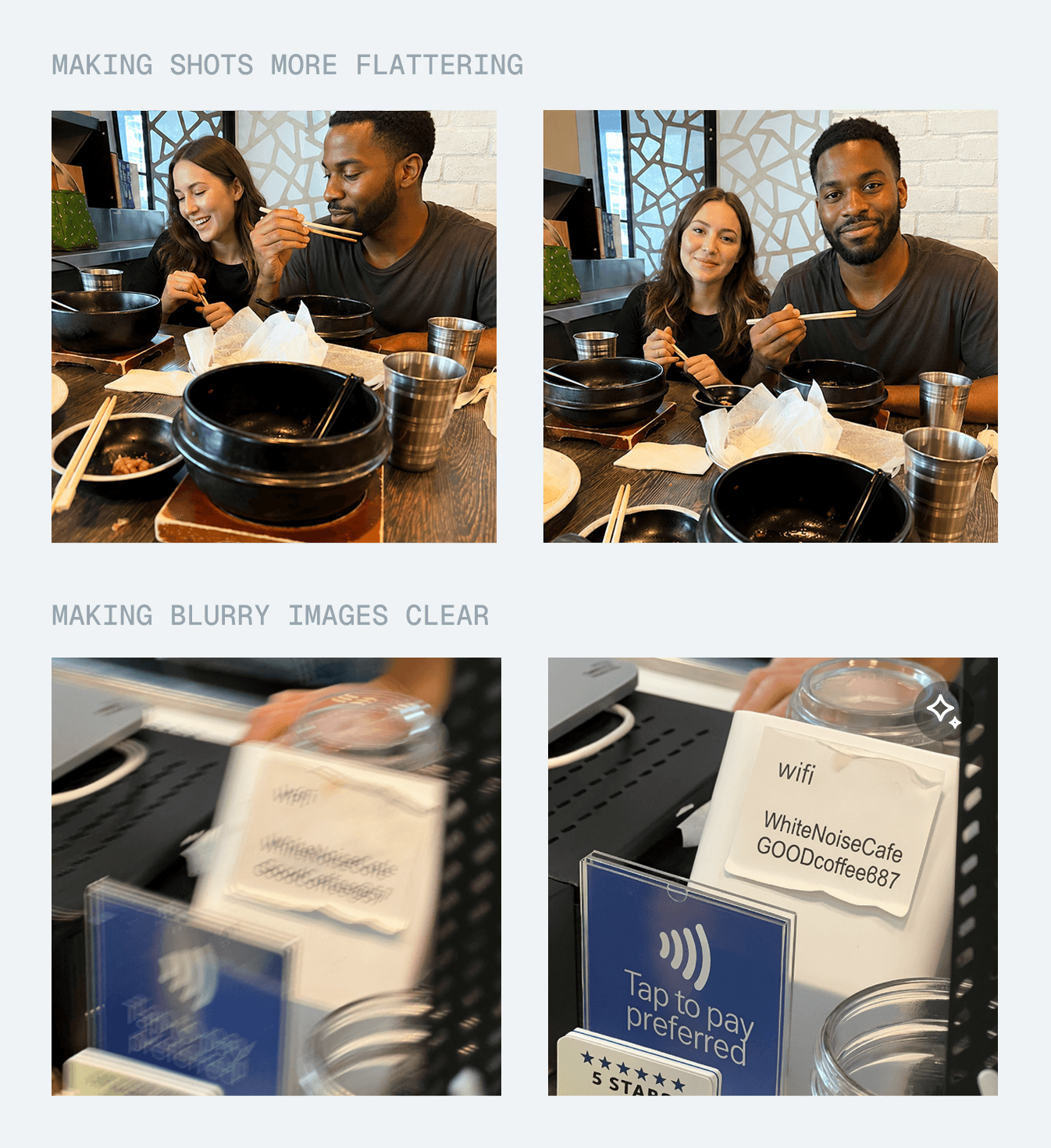
How do we improve imperfect captures?
AI could improve imperfect captures — making shots more flattering or blurry photos clearer.
Trading memory for privacy
Manual capture trades memory volume for user privacy — a constraint we leaned into as a strength. Privacy matters to users; making it a deliberate design choice builds trust and lowers the barrier to adoption.
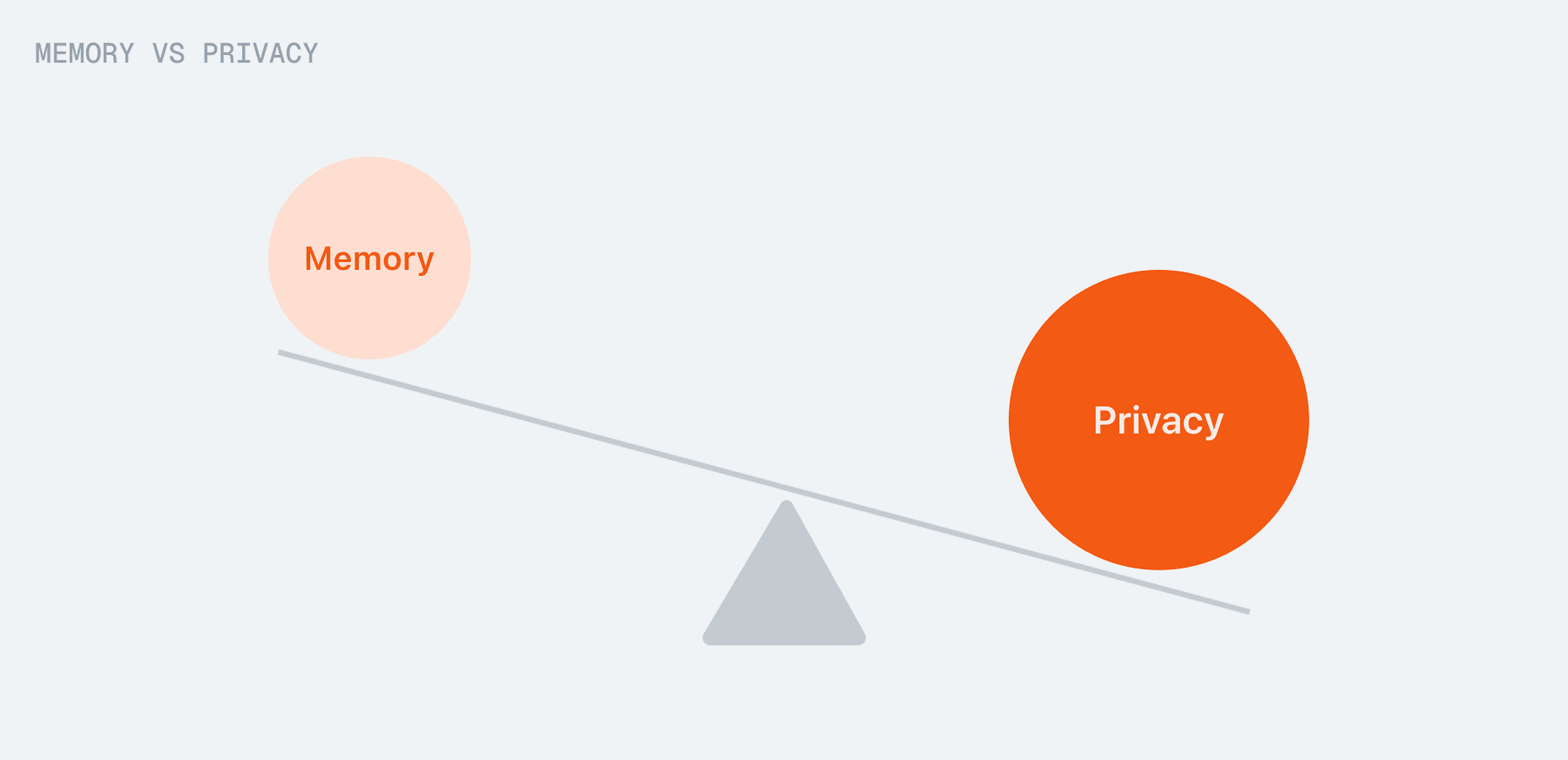
This is a trade-off we're willing to make for broader adoption.
Reflection
What I learned
Social signals matter.
We cannot design only for the user wearing Tova. We also need to consider the people around them, how the device is perceived, and how the hardware can support trust and self-expression.
Think in systems.
This is not just about designing a great feature. It is about how it fits into the wider ChatGPT ecosystem and users' existing mental models.